

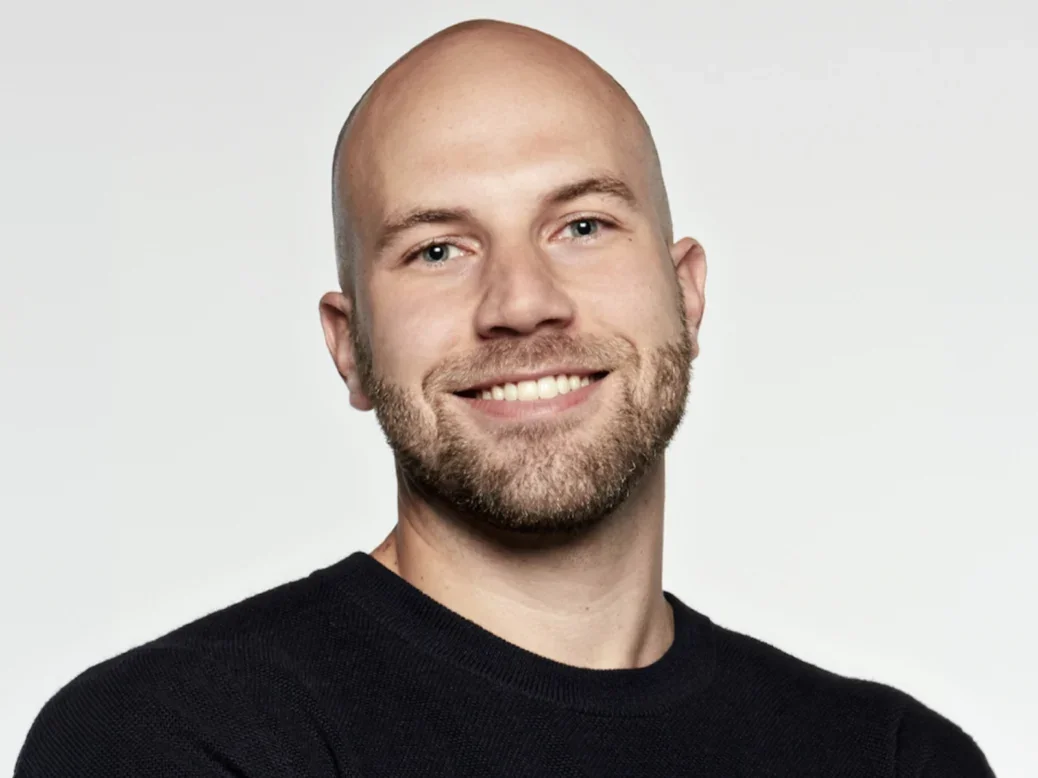
Business Insider is set to begin monetising its non-website audience, which new CEO Christian Baesler said has not been done “in any meaningful way so far”.
Baesler, who has been leading Business Insider on an interim basis since June and has now been appointed permanently, said the brand is entering its “next phase”, which is also centred on the “need to become essential for a number of professional niches”.
He is bringing social media expertise from five years as president and CEO of former Hot Ones producer Complex and then just over a year as chief operating officer at Buzzfeed after its 2022 takeover.
Visits to the Business Insider website in the US more than halved in the past two years to 30.9 million in June. Ten people were laid off in May at Axel Springer-owned Business Insider, its fourth round of layoffs in four years, as the newsroom scaled back in some coverage areas and refocused on others.
Baesler told Press Gazette: “Historically, Business Insider has had great success building lots of scale on the website, generating traffic from various places – Google, Facebook, elsewhere – which obviously these days is a much more challenging business for anyone in media to maintain, and it’s not a growing business in the future.
“A lot of the focus, both on the editorial side but also on the commercial side, has been on the website. At the same time, Business Insider has built huge scale on non-website-based platforms.”
He cited Business Insider’s more than ten million Youtube subscribers who like its serialised shows such as Risky Business and So Expensive, 11 million Linkedin followers and more than one million subscribers to flagship newsletter Business Insider Today. “That hasn’t been monetised in any meaningful way so far.”
Baesler said Business Insider needs to shift away from an inventory ad sell of “how much space do we have and what do we sell it for?” towards an “an insights and creative led sell that thinks more strategically about how to activate across different channels”.
He explained: “Both at Complex, where I was before, but also at Buzzfeed, the main focus commercially was on the non-website-based platforms, so selling sponsorships on video and integrations, selling branded content on social, events, and more importantly, how do you integrate all these different components?
“So you’re not just selling a sponsorship on Youtube, but really sell something that’s a cross-platform partnership with brands that delivers an audience with a very clear purpose.”
He wants the majority of Business Insider’s ad sales revenue to come from non-website channels within a year.
Baesler added: “All of that is an untapped opportunity, and we already did the hardest part, which is build an engaged audience at large scale for these groups across verticals.”
Niche editorial franchises like CMO Insider key
Now Baesler cited the initial creation of four editorial “franchises” covering specific verticals and said more will follow.
CMO [chief marketing officer] Insider is already live with a website coverage, newsletter and video podcast anchored by senior correspondent Lara O’Reilly.
CMO Insider helped Business Insider bring in four times the sponsorship for Cannes Lions compared to last year, with events such as a CMO Insider Breakfast and Chief Communications Officer Roundtable and sponsors like Paypal, Linkedin and consulting firm BCG.
Three other franchises being launched are: Small Business Insider, Markets Insider and AI Insider.
Baesler said these are in part about combining existing coverage, and adding an anchor journalist, to make it a better proposition for advertising partners. For example, Business Insider already has a daily markets newsletter First Trade that will be part of the Markets Insider brand.
Baesler said: “This is just the beginning. We’re looking to launch more in the next few months.”
He also suggested that in future a higher pricing level could be introduced to subscriptions on Business Insider, with additional benefits for paying subscribers. The site has a dynamic paywall, meaning it restricts access to articles based on a user’s behaviour, not a set number of articles they have read.
Baesler said future editorial franchises would be in “even deeper niches” than the ones announced so far, so it becomes “even more central for professional audiences that have to subscribe to Business Insider for intelligence and reporting”.
“Normally, if you look at other companies in that space, there is a much higher pricing velocity if you’re targeting a professional subscriber and give them intelligence they can’t get anywhere else compared to more of a consumer-focused subscription.
“Right now our current subscription offering is more on the consumer subscription end in terms of pricing, so we’re looking at: are there different approaches we can have going forward as we’re servicing more professional audiences as well?”
Business Insider rebranded from Insider back to its original name in 2023 to make clearer its core areas of business, tech and innovation and that it “isn’t some generic news website built for everybody”.
Business Insider website ‘still huge source of audience and revenue’
Despite the traffic drop and focus off platform, Baesler said the website is “still a huge source of audience and also revenue for us, so it’s an important channel for us to continue to service and optimise for, and we continue to invest in it”.
He said Google and other platforms are still a “meaningful source of traffic” for Business Insider and they are “looking to maximise the opportunity as long as it exists”.
He added that the website is “still a great funnel for our subscription business and for our newsletter business, and so it still plays an important role. It just can’t be the sole or main focus commercially or editorially, especially since we have so much traction on all these other channels, and so we see it as an important part of the mix, but not the primary or sole focus going forward.”
Baesler began his career as a reporter in Germany, then built digital businesses for Bauer Media Group. Most recently he was advising Business Insider owner Axel Springer on strategy and investments before becoming CEO.
Email pged@pressgazette.co.uk to point out mistakes, provide story tips or send in a letter for publication on our "Letters Page" blog
